
dbrs.morningstar.com
Angular website with AWS backend for credit ratings data
Senior Frontend Engineer
- Owned front-end end-to-end
- Bridged engineering and design/marketing teams
- Improved delivery speed and quality through shared patterns
Overview
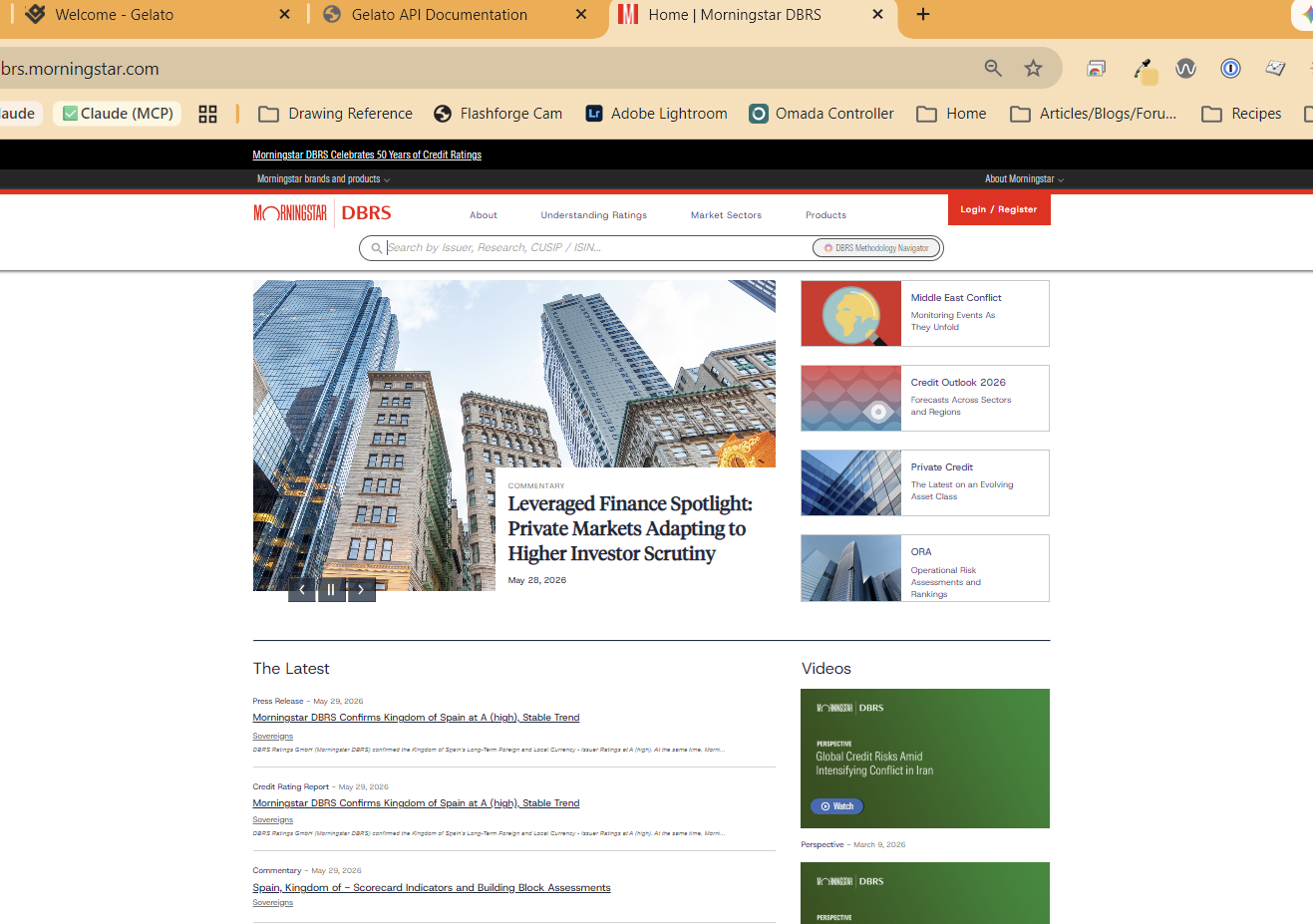
At DBRS Morningstar, I worked on the public-facing website that supports a global audience. My responsibility was primarily the front end and everything that comes with running a real production platform: navigation and module work, microsites, rich media integration, accessibility improvements, performance tuning, and the steady maintenance work required to keep things stable and reliable.
A lot of my value in this role came from being able to sit at the intersection of product, design, marketing, and engineering—helping teams converge on solutions that were not only possible, but also simple, maintainable, and repeatable.
What I owned
- Front-end engineering for the main public site
- Microsites and campaign surfaces (from planning through delivery)
- Navigation and reusable content modules
- CMS-driven publishing workflows (Directus)
- Rich media enablement (video, podcasts, webinars)
- Accessibility improvements driven by audits (manual + automated)
- Platform improvements and production support
Microsites (blueprint work)
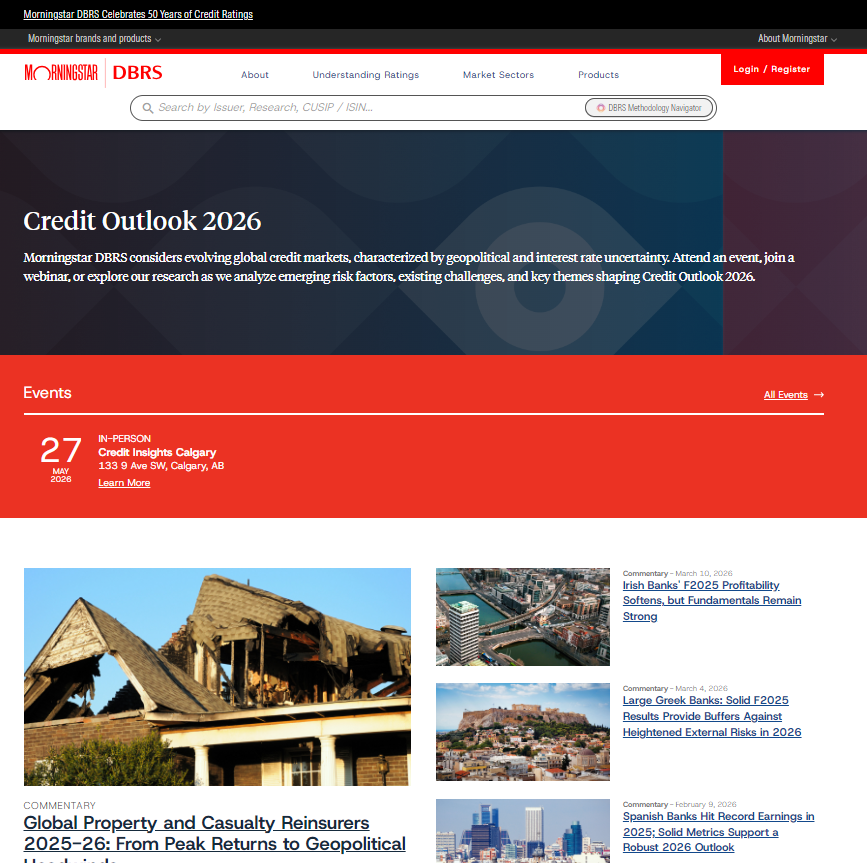
One of the early microsites I led was created in response to COVID and became our first major project after lockdown. It wasn't just "a one-off page"—it established the baseline approach we continued using for microsites afterward: structure, module reuse, publishing workflow, and a build pattern that allowed campaigns to move quickly without creating long-term maintenance debt.
That first microsite essentially became the template for microsites moving forward.
Recent Work: Custom Paywall Module
One of the most impactful modules I helped design and implement was an entirely in-house "paywall" style feature—cookie-based, lightweight, and built to encourage account creation while keeping the experience reasonable for users.
It wasn't a third-party drop-in. We designed it to fit our platform and content model, and to behave predictably across the site's navigation and content surfaces. After launch, we saw an immediate lift in registrations and stronger engagement across the user database—proof that the module was solving the right problem without breaking the reading experience.
Rich media enablement
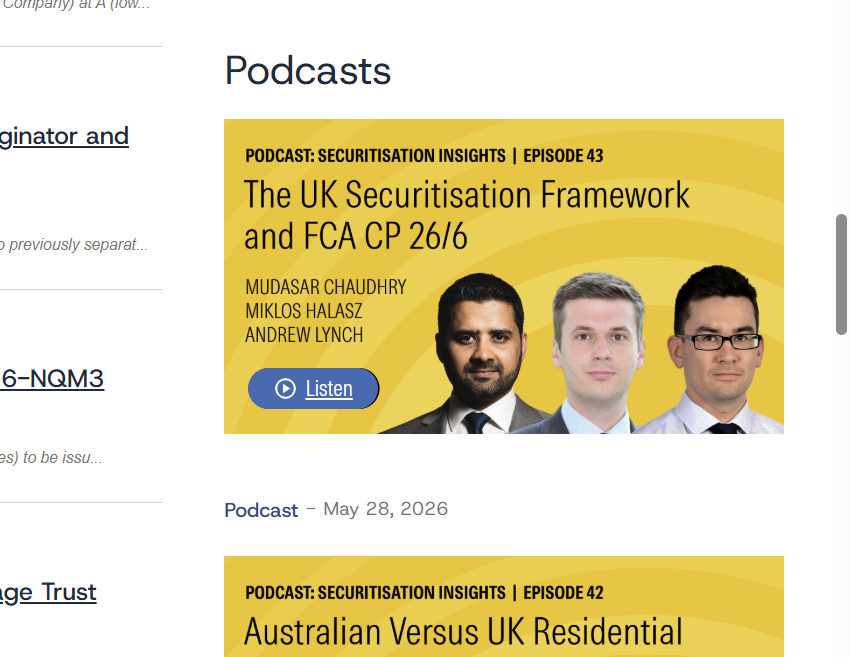
I played a key role in expanding the site's ability to publish and present rich media in a structured and maintainable way:
- Video, including direct streaming from internal servers
- Podcasts and webinars, including iframe and embedded media workflows
- CMS-friendly patterns that kept publishing consistent and predictable
The focus was always the same: enable Marketing to ship content confidently while keeping the UI clean and the experience stable.
Platform / CMS approach (Directus + performance improvement)
The site used Directus as a headless CMS with MySQL underneath. Over time, we removed performance bottlenecks by reducing reliance on the Directus content API in certain paths. Because the platform was already serverless, we could model and query MySQL directly where it made sense, which improved responsiveness and reduced dependency overhead—without losing the benefits of the underlying content model.
Accessibility (ongoing work, real accountability)
Accessibility wasn't treated as a checkbox. I worked directly with the accessibility team to implement changes that came out of both automated scanning and manual audits. A lot of that work was unglamorous but important: interaction patterns, keyboard navigation, consistent semantics, and ensuring reusable modules didn't regress.
The "behind the scenes" complexity: data sync
There was also a complex in-house data sync component supporting the site. While my role was front-end focused, it shaped how content and data appeared and stayed current across the platform. A steady part of the job was making sure the UI behaved consistently even when the underlying systems were doing non-trivial things in the background.